Is My Child Ready for a New Instrument? A Guide for West Linn Families
For many West Linn families, the start of a new year brings reflection. Parents notice changes in their child’s interests, confidence, and abilities, and one common question often comes up in January: Is my child ready for a new music instrument?
This question usually appears after months—or even years—of lessons on a first instrument. Sometimes it’s sparked by curiosity. Other times, it comes from frustration or boredom. In many cases, it’s simply a sign of growth. Understanding whether this moment signals readiness for a change requires looking beyond age or grade level and focusing on musical development, emotional maturity, and learning habits.
Why January Often Triggers the “New Instrument” Question
January is a natural reset point. Winter break gives students mental space, and returning to lessons can highlight shifts in motivation. Parents in West Linn may notice that their child:
- Asks more questions about other instruments
- Shows curiosity when hearing different sounds or styles
- Seems less engaged with their current instrument
- Demonstrates stronger musical understanding than before
None of these automatically mean it’s time to switch. They do, however, indicate that your child’s relationship with music is evolving.
Readiness Is About Skills and Mindset, Not Age
A common misconception is that students must reach a certain age to start or change instruments. While physical considerations matter, readiness is primarily about mindset and foundational skills.
Signs your child may be ready include:
- Consistent practice habits, even if brief
- Ability to follow instructor feedback
- Comfort reading basic musical notation
- Improved coordination and focus during lessons
- Curiosity about how music works, not just how it sounds
Students who have developed these skills often adapt more easily when learning a second instrument or transitioning to a new one.
When Wanting a New Instrument Signals Growth
In many cases, the desire for a new instrument is a positive indicator. It often means a student has outgrown the novelty phase and is beginning to think more deeply about music.
For example:
- A piano student may want to explore guitar after understanding harmony
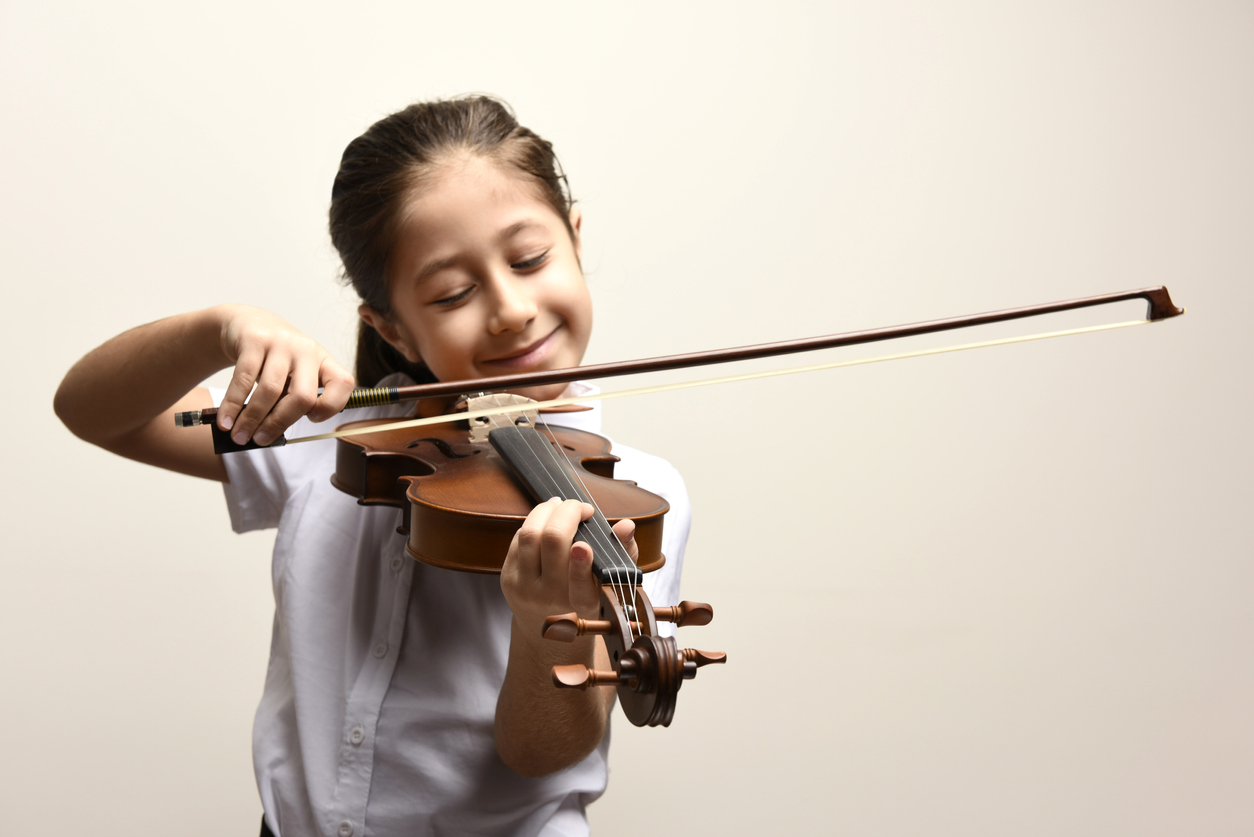
- A beginner violinist may show interest in cello as musical range expands
- A student might want to add voice lessons alongside an existing instrument
Rather than seeing this as restlessness, instructors often view it as musical maturity.
At Oregon City Music Academy, instructors help families determine whether adding or transitioning instruments will support long-term engagement rather than disrupt progress.
Situations Where Switching May Not Be the Right Move—Yet
There are also moments when wanting a new instrument is less about readiness and more about frustration. This can happen when:
- Progress feels slow
- Practice habits are inconsistent
- Technical challenges increase
- Expectations rise faster than skill development
In these cases, switching instruments too soon may delay foundational learning rather than solve the underlying issue. A thoughtful conversation with an instructor can help distinguish between temporary discouragement and genuine readiness.
How Instructors Help Guide the Decision
One of the most valuable resources for West Linn families is instructor insight. Teachers observe students weekly and can identify patterns parents may not see at home.
Instructors assess:
- Physical readiness (hand size, posture, breath control)
- Learning style and attention span
- Musical comprehension
- Emotional response to challenge
- Long-term goals and interests
Parents interested in understanding how instructors support these decisions can learn more about the academy’s teaching staff through the music instructors page.
Exploring Options Without Losing Momentum
Families often worry that trying a new instrument means starting over. In reality, musical skills transfer more than most parents realize. Rhythm, ear training, notation, and discipline carry over across instruments.
Exploring available programs through lessons by instrument can help families see how skills connect and what pathways are available.
A thoughtful transition—guided by an instructor—keeps confidence intact and prevents learning gaps.
Supporting the Process at Home
Parents play an important role in framing the transition. How the conversation is handled can influence whether the change feels exciting or stressful.
Helpful approaches include:
- Asking open-ended questions about interest and goals
- Avoiding comparisons to other students
- Letting instructors outline realistic expectations
- Emphasizing curiosity rather than performance
When families treat the decision as part of a long-term journey, students feel supported rather than pressured.
When to Start the Conversation
If your child has consistently expressed interest in a new instrument or you’ve noticed shifts in motivation, January is an excellent time to talk with their instructor. Early-year planning allows adjustments without disrupting progress later in the academic year.
Families can also reach out directly through the academy’s contact page to discuss options, scheduling, or trial pathways.
Choosing the Right Next Step
For West Linn families, deciding whether a child is ready for a new instrument is less about timing and more about alignment. When skills, interest, and support come together, transitions feel natural and motivating.
With expert guidance and clear communication, a new instrument can become an exciting next chapter—not a reset, but an expansion of your child’s musical education.