
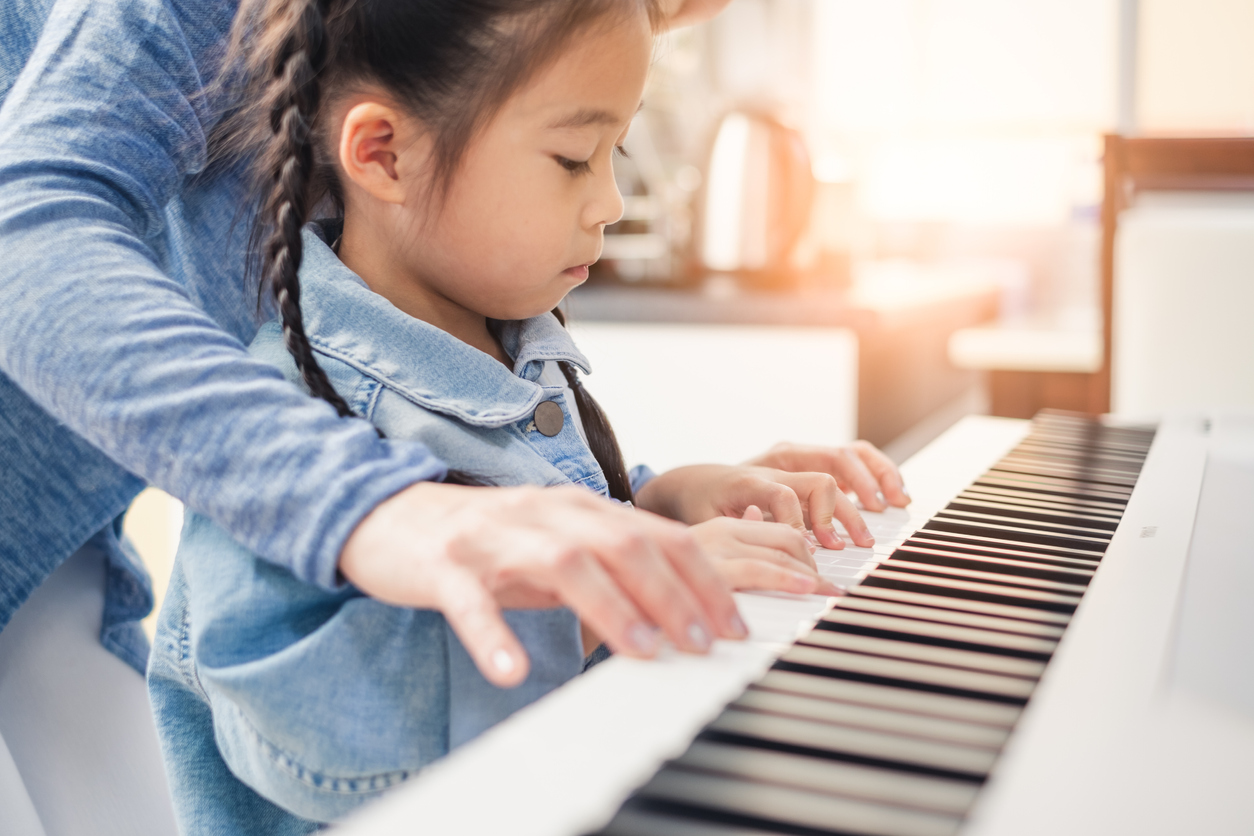
For many Gladstone families, winter naturally brings a slower pace. Shorter days, cooler weather, and fewer outdoor activities change how time is spent at home. While some parents worry that winter limits opportunities for growth, it is often one of the most effective seasons for meaningful progress in music lessons.
When approached intentionally, winter offers students the structure, focus, and consistency needed to strengthen core musical skills. January, in particular, provides a valuable window for building habits that support long-term development.
Winter Creates a More Focused Learning Environment
Unlike the spring and summer months—when sports, travel, and extended daylight pull attention in many directions—winter tends to simplify schedules. For Gladstone families, this often means:
- More evenings spent at home
- Fewer competing extracurricular commitments
- Greater predictability from week to week
This stability benefits music students. Learning an instrument requires repetition and attention, and winter’s quieter rhythm supports both. Students who practice consistently during these months often make noticeable progress by early spring.
Skill-Building Thrives When Distractions Are Reduced
Music learning is cumulative. Skills like timing, tone control, posture, and note reading improve through steady reinforcement rather than quick bursts of effort. Winter’s reduced distractions make it easier for students to focus on these fundamentals.
Instructors frequently use this season to:
- Reinforce proper technique
- Address gaps in foundational skills
- Strengthen listening and rhythm awareness
- Improve confidence through gradual challenges
At Oregon City Music Academy, winter lessons are intentionally structured to build depth rather than rush advancement.
Why January Is Especially Powerful for Progress
January marks a psychological reset. Students return from winter break with fresh mental energy, even if practice routines loosened during the holidays. This combination creates an ideal moment to re-establish habits without pressure.
For Gladstone students, January lessons often focus on:
- Reconnecting with the instrument
- Reviewing core concepts
- Setting manageable short-term goals
- Building momentum through achievable wins
Rather than pushing students forward prematurely, instructors emphasize stability and confidence—two elements that drive lasting progress.
How Parents Can Support Winter Practice at Home
Parents play a vital role in shaping winter success. The goal is not to increase pressure but to create a supportive environment that encourages consistency.
Effective strategies for Gladstone families include:
- Choosing a regular practice window tied to an existing routine
- Keeping practice sessions short but focused
- Avoiding comparisons to other students
- Encouraging effort rather than perfection
When practice becomes a predictable part of the week, students are more likely to engage willingly and build confidence.
The Role of Instructor Guidance During Winter Months
One of the advantages of winter learning is the opportunity for instructors to work more deeply with students. Consistent attendance allows teachers to observe patterns, make thoughtful adjustments, and personalize instruction.
Parents can learn more about the academy’s teaching philosophy and staff by visiting the music instructors page.
This collaborative approach ensures that winter progress aligns with each student’s abilities and goals.
Winter Progress Builds Confidence for Spring
Students who strengthen their skills during winter often experience a noticeable confidence boost when spring arrives. This foundation makes it easier to:
- Learn new repertoire
- Participate in recitals or group activities
- Tackle more complex techniques
- Maintain motivation during busier months
Rather than feeling behind, students who commit to winter learning often feel prepared and capable.
Choosing the Right Focus for Winter Lessons
Winter is an ideal time to focus on:
- Technique refinement
- Music reading fluency
- Rhythm and timing accuracy
- Listening skills and musical expression
Families interested in exploring or adjusting lesson pathways can review available options through lessons by instrument.
Thoughtful winter planning supports growth without overwhelming students.
When to Reach Out for Support
If a student seems disengaged or discouraged during winter, early communication can help. Small adjustments to expectations, repertoire, or practice structure can significantly improve motivation.
Parents are encouraged to reach out through the academy’s contact page with questions or concerns. Open communication ensures that winter lessons remain productive and positive.
Winter Is a Season of Quiet Progress
For Gladstone families, winter offers something rare in today’s fast-paced world: space to focus. Music learning benefits tremendously from this quieter season, allowing students to strengthen skills that will support them throughout the year.
By embracing winter as a time for steady growth rather than limitation, families can help their child build musical confidence that lasts well beyond the season.
